

Beyond the Screen: Experience Shopping as the Ultimate Immersive Consumer Adventure
Introduction

Experience shopping, a rapidly emerging trend, redefines retail from mere transactions to memorable engagements. It transforms traditional purchasing into an immersive journey, addressing a growing consumer desire for more than just products. This shift challenges conventional retail models, which often prioritize efficiency and price, by instead focusing on emotional connection, sensory appeal, and personal narratives. It's a paradigm where the act of buying becomes an enriching adventure, fundamentally reshaping our interaction with brands and goods.
The background of this trend lies in an increasingly saturated marketplace and a digital fatigue where passive consumption, like binge-watching, no longer satisfies deeply. Consumers, particularly younger generations, value experiences over possessions, seeking authenticity and connection. Experience shopping is crucial for retailers to build brand loyalty, differentiate themselves, and create lasting value in a competitive landscape. Its multifaceted impacts range from revitalizing physical stores and stimulating local economies to fostering deeper community engagement and personal growth for consumers. What impact would it have on our understanding or practice of retail if we failed to fully comprehend the profound shift towards experiential consumerism?
The Experiential Turn: From Transaction to Transformation
Redefining Retail: The Emotional Core of Consumer Engagement
Experience shopping marks a profound evolution in consumer behavior, moving beyond the simple acquisition of goods to embrace holistic, memorable engagements. Unlike traditional retail, which primarily focuses on product features and price, experiential retail centers on creating a narrative, evoking emotions, and providing a sensory journey for the customer. It's akin to attending a live concert versus merely listening to a recorded album; both deliver music, but one offers an immersive, often unforgettable, personal connection. This approach transforms a store into a destination, a space for discovery and personal interaction rather than just a point of sale. Brands like Lush Cosmetics, with their vibrant, scent-filled stores and interactive product demonstrations, exemplify this, inviting customers to explore and engage with products in a playful, hands-on manner. The core appeal lies in the psychological satisfaction derived from active participation and the creation of personal memories, which often outweigh the fleeting joy of a simple purchase. This paradigm shift posits that the "purchase" isn't just the item bought, but the entire journey and the feelings it engenders. This active engagement contrasts sharply with the passive consumption of entertainment, much like binge-watching, where interaction is minimal; experience shopping demands and rewards active participation.
Crafting Immersion: Technologies and Strategies Driving Experiential Retail

Interactive Innovations: Blending Digital Tools with Physical Spaces
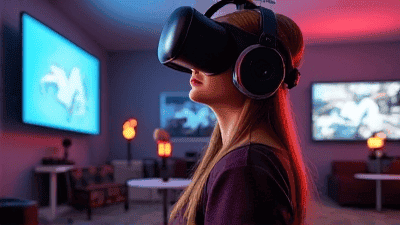
The realization of compelling experience shopping relies heavily on integrating innovative technologies and strategic design within physical spaces. This fusion, often termed "phygital," leverages digital tools to enhance real-world interactions. Augmented Reality (AR) mirrors, for instance, allow customers to virtually "try on" clothes or makeup without physically changing, blending convenience with engaging novelty. Virtual Reality (VR) can transport shoppers to exotic locations to preview travel packages or visualize furniture in their own homes. Beyond high-tech gadgets, thoughtful strategies include interactive workshops, personalized styling sessions, or themed pop-up events that transform product launches into cultural happenings. For example, Nike's flagship stores often feature running tracks for gait analysis or customization labs where shoppers can design their own shoes, making the purchase deeply personal and engaging. These strategies build community, foster direct brand-consumer dialogue, and generate organic social media buzz far more effectively than static displays. Retailers are increasingly focusing on metrics beyond immediate sales, such as dwell time (how long customers spend in a store) and social media mentions, to gauge the success of these experiential initiatives, recognizing that a memorable experience translates into long-term brand advocacy and loyalty.
Consider the increasing preference for experiential offerings across different consumer segments:
| Consumer Segment | Prioritizes Immersive Experiences | Values Price Over Experience | Seeks Novelty & Discovery |
|---|---|---|---|
| Gen Z | 82% | 18% | 90% |
| Millennials | 78% | 22% | 85% |
| Gen X | 65% | 35% | 70% |
This data highlights a clear trend: younger generations overwhelmingly prefer immersive experiences, demonstrating a strong drive for novelty and discovery over purely transactional considerations. Even older demographics show a significant inclination towards experiential retail. This suggests that retailers failing to adapt will struggle to capture the loyalty of future consumer bases. These insights underscore why investing in interactive, engaging retail environments is not just a luxury, but a strategic imperative for long-term growth and relevance in today's market.
The Future of Retail: Sustained Loyalty and Evolving Consumer Psychology
Beyond Purchases: Cultivating Brand Advocacy Through Shared Moments
The profound impact of experience shopping extends far beyond immediate sales, fundamentally reshaping consumer psychology and fostering unparalleled brand loyalty. When a shopping experience is engaging, memorable, and emotionally resonant, it transforms customers into brand advocates. Consumers are more likely to share their positive experiences on social media, becoming unpaid marketers who amplify a brand's reach and authenticity through word-of-mouth. This shift moves the consumer focus from a product's price to its perceived value, encompassing the entire journey and emotional connection. Brands like Patagonia, through initiatives like Worn Wear tours offering free repairs and promoting garment longevity, create a powerful narrative of sustainability and community that resonates deeply with their target audience, transcending mere product sales. The future of retail is increasingly "phygital," blurring the lines between physical and digital spaces to create seamless, personalized adventures. Hyper-personalization, driven by AI and data analytics, will allow brands to anticipate individual preferences and curate unique experiences, making each shopping trip feel tailor-made. Sustainability and ethical sourcing will also become integral components of the experience, as consumers seek to align their purchases with their values.
Conclusion

Experience shopping represents a transformative paradigm shift, moving consumer engagement from passive observation to active participation. It redefines retail beyond mere transaction, establishing it as an adventure, a source of personal connection, and a creator of lasting memories. Much like how a captivating story can absorb a binge-watcher, a well-crafted experiential journey captivates shoppers, offering depth and resonance that traditional retail often lacks. We have explored how this trend appeals to the deeper human desire for authenticity and connection, leveraging emotional engagement, sensory immersion, and community building to forge powerful brand loyalty. The integration of innovative technologies, from AR try-ons to personalized workshops, empowers retailers to craft unique narratives and environments that transcend the ordinary, making every visit a discovery. This evolution positions experience shopping not merely as a marketing strategy but as the cornerstone of future retail success, essential for sustained relevance and profitability.
Looking ahead, the trajectory of experience shopping will be profoundly shaped by rapid technological iterations and interdisciplinary integration. The continued advancement of AI will enable hyper-personalized experiences, predicting consumer needs and curating bespoke journeys before they even step into a store. The metaverse and Web3 technologies hold the potential to create entirely new dimensions of virtual and augmented experiential retail, blurring the lines between physical and digital realms further. Macro scientific policies focusing on sustainable consumption and circular economies will also drive brands to create experiences centered around ethical sourcing, product longevity, and community impact. Challenges include the significant initial investment required for sophisticated experiential setups and the ongoing need to innovate to avoid novelty fatigue. However, the overarching trend indicates that retailers who continuously research consumer psychology, embrace emerging technologies, and foster genuine human connection will thrive, creating a vibrant, adventure-filled future for commerce.
Frequently Asked Questions (FAQ)
Q: What differentiates true "experience shopping" from just good customer service or a themed store? A: True "experience shopping" goes significantly beyond good customer service or simply having a themed store; it's about intentional design that evokes emotions, encourages active participation, and creates a memorable narrative around a brand or product. Good customer service is foundational to any positive retail interaction, ensuring queries are resolved and transactions are smooth, but it doesn't inherently transform the act of shopping into an adventure. Similarly, a themed store might offer an interesting aesthetic, like a rainforest cafe or a vintage-inspired boutique, but if the interaction remains purely transactional (e.g., ordering coffee, buying a dress), it's more about ambiance than a true experience. Experience shopping, in contrast, engages multiple senses, often involves learning or discovery, and frequently encourages social interaction. Think of a cooking class at a gourmet food store, where you learn a new skill and connect with others, then perhaps purchase the ingredients used. Or a high-end sneaker store where customers can design custom shoes on interactive screens, witness them being made, and receive personalized styling advice – this active co-creation and immersion in the process is key. The differentiator lies in the depth of engagement and the creation of a story or memory that extends beyond the product itself, fostering an emotional connection that transcends a simple purchase. It’s about being a participant, not just a spectator.
Q: How do retailers measure the return on investment (ROI) for experience-focused strategies, and is it always profitable? A: Measuring the ROI for experience-focused strategies is more complex than traditional sales metrics because the benefits are often qualitative and long-term, not just immediate transactional gains. While direct sales from an experiential event can be tracked, the broader impact includes enhanced brand loyalty, increased customer lifetime value (CLTV), elevated brand perception, and extensive social media buzz. Retailers often use a blend of quantitative and qualitative metrics:
- Quantitative: Increased dwell time in stores, higher average transaction value (customers often buy more after an engaging experience), higher repeat purchase rates, lower customer churn, website traffic driven by experiential marketing, and social media engagement (likes, shares, mentions) and reach. Unique identifiers like loyalty program sign-ups during an event or specific discount codes can also link sales directly.
- Qualitative: Customer surveys and feedback focusing on satisfaction, emotional connection, willingness to recommend, and perceived brand value. Monitoring brand sentiment through social listening tools is also crucial.
It's not always immediately profitable in a direct, short-term sense. Initial investments in technology, staffing, and creative design for experiential retail can be substantial. A poorly executed experience can also backfire, leading to disappointment and negative brand perception. However, the long-term profitability often comes from building a resilient brand that commands customer loyalty, justifies premium pricing, and creates a competitive differentiator that is hard for rivals to replicate. The "return" often manifests as sustained customer relationships and a powerful brand narrative, which, while challenging to quantify with a single number, are invaluable assets in today's competitive market. The goal is often about building brand equity and fostering a community, rather than merely driving a quick sale.